Showing posts with label Reasons to Believe. Show all posts

Monday, 5 February 2018

The Christian and Evolution

In this essay, I engage with the problem of evolution. For many Christians, neo-Darwinian evolution is anathema. They think that goes directly against the Christian view that God created the universe as well as all the biological diversity within it. So, should Christians merely assert their opposition in this regard or are there solutions which allow for some kind of reconciliation with science in this matter? I present an alternative perspective based on the biological model developed by Immanuel Kant in his Critique of the Power of Judgment which may serve as an alternative to the neo-Darwinian model. I also show that some models in contemporary quantum biology show a remarkable consistency with Kant's view which supports the Christian perspective of God as Creator.

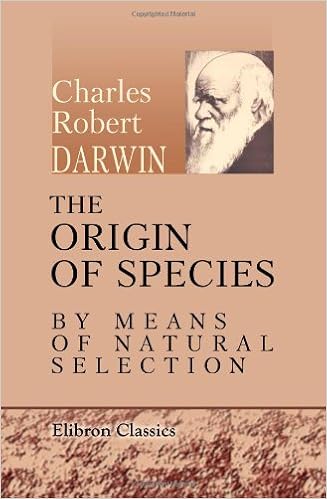
Image result for darwin origin of the speciesThe question of evolution is one that generates strong feelings among many Christians. Although there are some Christians - especially academically inclined ones (such as those from BioLogos) and those belonging to Biblical Criticism - who accepts the role of neo-Darwinian evolution within God's plan, most Christians think that the basic assumptions of this theory go directly against the Christian tenet that God created all things. The reason for this is that the mechanism which drives evolution according to neo-Darwinism, namely natural selection in cohort with random variation, is basically a random process which goes directly against the idea that all creation be viewed as part of God's great purpose. If things happen randomly, it seems that God is excluded from the process. Although one may argue that God works (in a mysterious way) through such an evolutionary process, the randomness thereof seems to exclude purpose which is indissolubly linked to God's role as Creator.

So, even though I think that one cannot expect Christian scientists to disengage from the dominant (biological) theory of the day, it is nonetheless also true that it is very difficult to incorporate neo-Darwinism within the Christian perspective. This leaves us with the question: What are the alternative options for Christians considered in scientific terms? (This would be the question of any Christian scientist such as those from BioLogos!) Christians who believe that the earth is young (such as those from Answers in Genesis) will merely say that God directly and purposively created everything during the six solar days of creation about 6000 years ago (for a detailed discussion of this view, see [1, 2]). This is obviously in direct conflict with science and very few Christian scientists of respectable standing (especially in the natural sciences) would seriously consider that as an option. Another possibility is given by those Christians who accept that the earth is old (and accept a scientific theory such as that of the Big Bang). Some of them (such as those from Reasons to Believe, Discovery Institute or the Biologic Institute) think that God intervened directly at various points in the evolutionary process when he created the species, for example, during the Cambrian Explosion 544-530 million years ago (for a detailed discussion, see [2, 3]).

Both Young and Old Earth Creationists reject neo-Darwinism. The first group does so in principle whereas the second group think that other related evolutionary models which accentuate discontinuities in the fossil record, such as "punctuated equilibrium" (which rejects the graduality of neo-Darwinism), could be reconciled with the idea of God's purpose in creation. Since "punctuated equilibrium" (or related models) cannot provide an adequate mechanism to explain those gaps, these Christian scientists and philosophers of science make their own proposal in this regard, namely that God intervened during these periods to create the species. Some of them present their view of direct divine intervention (not all such Christians have particular views in this regard) as a scientific hypothesis called Intelligent Design. I discussed the book Darwin's Doubt (2013) written by one of its proponents (Stephen C. Meyer) elsewhere [3]. As I see it, the Intelligent Design hypothesis conceptualizes the "design events" - when evolutionary "explosions" such as the Cambrian one took place - too much in human terms. Also, one may suggest that a natural mechanism may eventually be discovered which does not only explain the "jumps" in the evolutionary process but which is also in line with divine design (see below). Many secular scientists regard this hypothesis as little more than "creationism dressed up in pseudoscientific clothing" although these Christians would obviously disagree.

One may, therefore, ask: Are there not any other alternatives? In an essay on this blog I previously suggested that neo-Darwinism is an incomplete theory which would in time be replaced by theories which are more in line with the Christian way of thinking [3]. Neo-Darwinism, for example, did not traditionally include quantum physics in its explanation and as such presented mere mechanistic solutions (which is incompatible with "creation"). This has changed dramatically over the last decade with the coming of age of the new scholarly field of quantum biology. At that time (in 2014) I made a proposal [3] based on my reading of Kant's philosophy of science in his Critique of the Power of Judgment (called the third Critique) which is consistent with a new biological model which has recently been presented (in 2016), namely of homogenomic evolution [4].

In this essay, I present a more detailed version of my proposal (which is also found in my Master's thesis and published work [5]) and show how it corresponds to the mentioned biological model. Making use of Kant's theory makes sense since the interest in his work had made a dramatic comeback in academic circles over the last few decades and his philosophy of science had been shown to be consistent with current scientific thinking [6]. As such, I argue that although God may have intervened throughout history in the process of evolution, he had already built the blueprint which allowed for the unfolding evolution of all life into his design of the cosmos when he created it in the beginning. We may interpret homogenomic evolution (which to a large extent replaces neo-Darwinian evolution) as being consistent with Kant's model and therefore consistent with the purposiveness (i.e. teleology) that Christians ascribe to God. Although homogenomic evolution has obviously not yet become the dominant model in scientific circles (it had only recently been presented as a serious alternative) there can be no doubt that the new ideas associated with quantum biology are changing the field in a way that is much more in line with Christian thinking!

I start the discussion by first giving a short overview of the Biblical creation narrative in the Book of Genesis showing that it is consistent with such a scientific view (even though the text was obviously not written with a scientific perspective in mind! - see [1, 2]). Then I present my interpretation of Kant's scientific model of biological evolution in the third Critique. Thereafter I show that this is consistent with homogenomic evolution and more specifically as presented by William B. Miller Jr. in his recent essay Cognition, Information Fields and Hologenomic Entanglement: Evolution in Light and Shadow [4]. In the same way that Old Earth Creationists accepts the Big Bang, we can now more generally accept such scientific theories as consistent with the Christian viewpoint. This means, that at last, biology joins physics as a field that Christians do not have to view with antagonism as they usually do. In general, I think that this will also make it easier for Christians to accept the scientific evidence for the age of the cosmos.

The Biblical perspective

Although most Christians regard the creation narrative given at the beginning of the Book of Genesis as important for understanding God's plan for man, not everyone thinks that it is relevant to contemporary debates about origins. Some Christians (such as those from BioLogos and those from Biblical Criticism) accentuates the fact that the book should be viewed within the ancient context in which it was written which stands totally apart from contemporary concerns. I accept that this is true but at the same time think that the Biblical account could not be in direct conflict with science (insofar as scientists make an honest attempt to understand God's creation) when we accept that it is divinely inspired (I discuss these issues in some detail elsewhere [1, 2]).

In the creation story of Genesis 1, we find that God is said to have created the cosmos in six "days" which had become a major stumbling block for many unbelievers who regard this as being in direct conflict with science (especially as interpreted by the Young Earth View). Although I cannot discuss this in any detail here, I can mention something very basic which goes against such an interpretation of the text, namely that it makes absolutely no sense that God created things on the first, second and third solar days if He created the sun only on the fourth day! In this case, there would have been three solar days without the sun!

This should not be regarded as a stupid error by the author (see [1]) but as implying that we should read the text in another way, namely that the "days" refer to longer periods (as is found in Gen. 2:4). We know this since the author also mentions that God made the sun and the moon (and the stars) on the fourth day as signs regulating "seasons, days and years" (Gen. 1:14). This means that solar days (!!!), the four seasons and even solar (and lunar) years only made their appearance on the fourth "day" of creation! This is actually consistent with the sun being made on the fourth creation day. This obviously strongly suggests longer periods of creation which is also consistent with contemporary science. (Why would one want to hold to an interpretation which is so diametrically opposed to all science if it is not really necessary?)
Image result for Michelangelo in the Sistine Chapel sun, moon and stars
God creating the sun, moon and stars - Michelangelo in the Sistine Chapel
When we now take a closer look at God's creative acts during this period, we find something interesting. The phrases "God made" and "God created" (Gen. 1:21, 25) are used in the same breath as ones which state that He ordered the earth and the waters to bring forth all the many species of plants and animals (Gen. 1:11, 20, 24). Why this ambivalent description? How could the earth or waters produce the species? They seem to have been the milieu within which the species were produced. But this suggests that the process of creation - which is described as evolving from simple to more complex life forms - may have been more nuanced than Christians usually think and may have included some element of spontaneous production/evolution within the framework of God's grand design. This also means that the creation of the species (and even mankind; Gen. 1:26) could have happened through some process of theistic evolution even though not the neo-Darwinian one. At the very least, one could say that there is no reason to categorically exclude some form of theistic evolution on textual grounds.

This brings us to God's creation of humans. The creation of humans is mentioned twice, namely in the creation story (Gen.1-2:4) as well as in the garden story (Gen. 2:5-3) (which I do not regard as another creation story [1]). According to the creation story, 'adam (mankind; which is not a personal name!), which includes male and female, was created during the sixth creation "day" whereas the central personage of the garden story, which is later called Adam, was created at the time when God planted the garden in Eden. The inclusion of both male and female persons in the expression 'adam (mankind) is nicely expressed in Genesis 5:2 where we read: "male and female created he them, and called their name 'adam, in the day when they were created." So, one can interpret this as saying that the human species was created sometime during the sixth "day" of creation, long before Adam's time. As such humans may have been around for a very long time before the arrival of Adam on the scene (nothing in the text is against this reading).

One should also note that the metaphoric use of the image of God as potter in the garden story should not be taken literally in the same way that the story of Eve's formation from Adam's rib in the same story is not to be taken as such (the problem of the fusion of metaphorical and literal motifs is typical in such ancient religious texts and confuses the modern mind - one may assume that these literary tools were not well distinguished and developed as such at that early stage [7]). The author of the garden story based the story of Eve and the rib on a well-known story from the ancient Middle East which he adapted for his purposes (for a detailed discussion of these points, see [2]). There can therefore not be any doubt that he never intended it to be taken literally! There is, therefore, also no reason to think that Adam was made from clay! Once we allow that 'adam be distinguished from Adam (see above), there is no reason to think that Adam was the first human ever created.

The view that Adam and Eve were not the first humans is supported by other textual evidence. We find, for example, that reference is made to people living outside the area of the garden of Eden - who are described as people who may have felt the impulse to kill Cain (Gen. 4:14). Where did these people come from? Now, it seems that the author took it for granted that there were people outside the garden - other humans who were not previously introduced in our story except in the context of 'adam. So, taken in this way, we can accept that the Biblical text is not in conflict with science. The earth can be very old (the Bible gives us no clue how long the days of creation were) and humans may be hundreds of thousands of years old as both archaeology and DNA data proves. Why would one insist on reading the text in a way which is in direct conflict with scientific evidence if there are other viable readings (in accordance with good hermeneutics) which are consistent with science?

More generally, there is still one outstanding issue. We may accept that the earth is very old (billions of years) as are humans (about 200 000 years) but the question remains whether one species developed from another? Did God create each species anew or did they evolve out of each other (a process in which God may have been actively involved)? The evidence suggests the second option. As scientists from BioLogos have mentioned [8], the history of the species includes a common ancestry which includes not only healthy genes but also broken ones. This strongly suggests that those genes were inherited from previous less-advanced species (and that God did not create each species anew - He would obviously not have created broken genes!). This is evidence for theistic evolution but not for neo-Darwinian evolution.

All of this implies that we can easily accept the Biblical narrative of creation as being consistent with science (insofar as the age of the earth and possibly even some form of theistic evolution are concerned). There is absolutely no good reason the insist on interpretations of the Biblical text which go directly against science. In fact, one can argue (as I do) that this is by far the better interpretation of the Biblical text (since it accounts for all the nuances of the text). As such, we may explore scientific models which are consistent with the Christian view that God's creation reflects his purpose. Such models should be in line with a teleological (purposive) reading of the unfolding biological development of the species.

One of the greatest philosophers (of science) of all time who developed such a model is Immanuel Kant (1724-1804) whose model in this regard never found a wide audience because of the popularity of the evolutionary model of Charles Darwin (1809-1882) (similar to the discovery of genes by Gregor Mendel (1822-1884) which stayed in obscurity for many years because scientists thought that Darwin (who knew nothing about genes (!)) said it all). I will now discuss Kant's model of biological evolution.

Kant's model of biological evolution

In the period before Immanuel Kant's time, Isaac Newton (1642-1727) had published his famous work on classical mechanics and there were questions as to how such a mathematical science could be placed on solid epistemological grounds (that is, be taken as objective knowledge). Kant tackled this problem in his (also) famous Critique of Pure Reason (1781) in which he showed that we can only obtain "objective" knowledge if our conceptual structures (our theoretical model) could be synthesized with sensible intuition (empirical data) (allowing for a determinate "truth" judgment in this regard). When we cannot obtain empirical data of something (say, of God Himself) then we can also not know if such a thing exists. This does not mean that such things do not exist - it merely means that we as humans are very much restricted in our ability to know things about the cosmos especially if such things fall outside empirical reach [9] (such as we find nowadays in the case of quantum entities during the pre-measurement phase).

Kant presented his scientific model in two works, namely in his Metaphysical Foundations of Natural Science (1786) which laid the philosophical foundation for Newtonian science and in his Critique of the Power of Judgment (1790; in the second part called Critique of the Teleological Power of Judgment) which focussed on biology. His work regarding Newtonian science had since been extended in a manner consistent with contemporary scientific theory (where Einstein's work was also greatly influenced by Kantian thought!) [6]. Kant's work also had a great influence on Bohr's Copenhagen interpretation of quantum physics. His work on biology is what concerns us here. 

Kant observed that there are certain "products of nature" like organisms for which an explanation in purely mechanistic terms (which is all that was allowed in Newtonian science as well as in Darwin's theory) does not seem to make sense. He proposed that we have to go beyond merely mechanistic explanations even though we cannot prove that to be the case. As such, he proposed a teleological approach in which our world is taken as if it is designed and which allow for two kinds of causal processes, namely mechanism as well as one that is spontaneous (called teleology). This does not mean that Kant asserts that our world is designed (that cannot be proven since it goes beyond our empirical means) but merely that science has no choice but to work under a guiding principle according to which the world is regarded as if it is designed (otherwise science which searches for "laws" of nature would not be possible). Within this guiding principle, Kant suggests that there are two possible kinds of causality which produce everything in nature, namely the mentioned ones of mechanism and teleology. 

Kant produced a biological model which incorporates these ideas. This is a model that proceeds beyond "objective" knowledge (as we find in Newtonian science - exploring possibilities beyond the confines of such knowledge) to allow for "regulative" ideas which serve merely as hypotheses even though they may be beyond direct empirical confirmation. In this regard, Kant allows that our world may include not only "nature" (this Kantian concept should not be confused with our contemporary concept thereof) ruled by mechanism but also a supersensible substratum of nature which is ruled by a spontaneous causality which Kant conceptualized as a "natural purpose". Kant formulated this last one as a kind of causality which allows for non-extended  "wholes-and-parts" (i.e. which lay beyond proper space/time and which may be regarded in some sense as "designs/plans") to produce material "parts" belonging to aggregated wholes in nature through a self-organizational process. Natural purpose as a causality has a capacity or potentiality to produce effects within observable nature. In his view, the two effective causes of mechanism and natural purpose (teleology), taken together, may explain the possibilities of organisms in a way that mere mechanism cannot. 

In the context of biological evolution, Kant proposes that the “maternal womb of the earth” had an original purposiveness without which the "possibility of the purposive form of the animal and vegetable kingdoms cannot be conceived at all" (CPJ 5:420). He proposed a theory of evolution according to which one species could have evolved through adaptation into another. The alterations which species could undergo and then successfully pass on can be judged as "purposive potentialities" which were originally present in the fundamental constitution of the species (CPJ 5:419-20). This means that through natural purpose we can see new species - which incorporate the less-complex features of previous species - becoming realized within the world. In Kant's view, we can see this unfolding grand design within the cosmos within the context of God's intentional act of creation even though this can obviously not be proven (as discussed above).

In my work, I show that these Kantian ideas find their application in quantum physics [5]. The Kantian idea of "nature" (as a system governed by mechanism) is consistent with our "classical world" where Einstein's theories of relativity apply (i.e. within proper space-time). The Kantian idea of a supersensible realm finds expression in the "quantum world" and all the necessary characteristics (conditions) for the first are confirmed (satisfied) in the second [5, 10]. Kant's idea of a natural purpose finds expression in the reduction of the wave packet - during which superpositions of states (consistent with Kant's wholes-and-parts) are realized as outcomes in observable nature (the particular range of possible statistical outcomes reflects the Kantian idea of material "parts" belonging to "aggregated wholes"). A detailed discussion of this is beyond the scope of this essay but is presented elsewhere [5].

In a previous essay on this blog (in 2014) I suggested that this reading of the Kantian biological model of evolution may at some stage find its equivalent within contemporary quantum biology. I wrote:  "It is possible that we will eventually find that evolution has a quantum component, i.e. that leaps in biological evolution have their grounds in the quantum world where they would arguably seem to be at home." Such a model has now been presented which describe the "leaps" in biological evolution which produce new species in terms of quantum potentialities which are realized in biological phenotypes (i.e. its observable characteristics).

Homogenomic evolution

Before commencing with this discussion I freely admit that I am not a biologist. As such, I do not try to explain all the nuances of this evolutionary theory. I am only interested in its obvious correspondence with the Kantian model described above. I am also not going to discuss this model of evolution within the wider context of biological studies but am only concerned with it as presented by William B. Miller Jr. in his recent essay Cognition, Information Fields and Hologenomic Entanglement: Evolution in Light and Shadow (2016, [4]).

What is homogenomic evolution? This theory of evolution focusses on the cellular level in its evolutionary conception. It works with the principle that individual cells and other life forms (which is where the term "homogenomic" originates) can engineer solutions to environmental stresses and that these are more important than natural selection as the primary impulse of evolutionary development from the origin of life onward. As such, the embedded information within "Pervasive Information Fields" (PIF's) which operate on the cellular level, enables a natural and self-organizing cellular engineering process to solve problems, allowing new phenotypes to emerge. This rejects the idea that random mutational variation within a generally static central genome can produce such phenotypes. As such it becomes a competing model for neo-Darwinism.

The role of quantum processes stands central in this model. As such this self-organizing evolutionary process is seen as rule-based, not in a mechanistic sense, but in accordance with the principles of quantum physics. The PIF's are taken as being governed by superimpositions of biological possibilities (that is, as an overarching field) which may be expressed as phenotypic forms. Miller writes: "Therefore, at any moment of time, current biological form is the setting of the superimposition of possibilities from a larger dominant unicellar eukaryotic information set as temporary manifestation of a narrow range of specific information subsets". Selection is only the "temporary settling of a range of implicates [possibilities] within the PIF of that master Eukaryotic cellular domain as an information subset of latent potentials resolved into biological explicates [expressions]". In this model, genes are not merely "units of inheritance" but an emergent expression of "information space" which is reciprocally dependant upon cellular processes as well as information inherent in bioactive molecules and extrinsic epiphenomena (sources of information which lay beyond the genes).

So, what we find is that PIF's have "purposive potentialities" (if we may use Kant's expression) which are expressed through the adaptation to new phenotypes. They include both "the sum of the histories of the field" (the product of their evolutionary history) as well as the "summation of the latent potentials to meet environmental stresses" which may trigger their particular expression as phenotypes. These PIF's are even taken by Miller as some kind of "bauplan" which defines any form of life. This corresponds to the Kantian idea of such potential "designs/plans" being realized through natural purpose. As such Kant's idea of natural purpose is very much what Miller describes through his concept of the PIF's ability to realize its potential possibilities (with wholes-and-parts being realized as material "parts" which belong to an aggregated whole, i.e. the phenotype). Miller even says that "there is room within contemporary evolutionary biology for creativity [that is, through the "settling of ambiguities"] and determinism" which comes very close to the Kantian idea that both teleology (which operates through natural purpose) and mechanism are necessary to explain organisms.

In the final instance, it seems that Miller's model of homogenomic evolution can be viewed as a contemporary version of the Kantian evolutionary model (although cells play no role in Kant's model, life forms do) which accommodates elements of neo-Darwinism (natural selection) as well as Mendels' discovery of genes (both of which came after Kant's lifetime). What is particularly important, is that although this evolutionary process includes some random elements, it is primarily a "well-designed" one which Christians can without reservations accept as consistent with and expressing God's purpose.

As such, Christians can accept that God embedded his purposive design within the world at the time when He first created it (which may have been through the Big Bang) and that this had been unfolding through time as a process of theistic evolution. Throughout the ages, He would have been guiding this process, allowing particular adaptations to develop at certain periods (as God is beyond time, there is presumably no preference with him for long or short periods of time). Christians would also believe that God was especially closely involved in the evolutionary process which produced humans which were created in the image of God Himself (a process of which we still know very little at this stage).

Conclusion

In this short essay, I discuss the problem of evolution. Most Christians cannot accept that neo-Darwinian evolution is consistent with God being the creator of the universe. They have consistently rejected neo-Darwinism as a scientific model that represents a true reflection of the process of evolution (or as reflecting divine creation, more generally). They are now vindicated in this reservation with the radical new direction that scientific evolutionary theory had been taking over the last decade and especially with the emergence of the new field of quantum biology! Suddenly, we find that new evolutionary models are being proposed which are very much consistent with the Biblical worldview.

I have not merely argued that homogenomic evolution is consistent with the Christian perspective. I have also shown that it is consistent with an old evolutionary model which was first proposed by Immanuel Kant in his third Critique. I have previously shown (on this blog and elsewhere) that Kant - who was a Christian and whose philosophy is consistent with the Christian worldview (see [11]) - had been vindicated in most aspects of his regulative metaphysics. His idea of the supersensible realm had long been rejected as untenable but we now know that it is consistent with the quantum realm. He was obviously far ahead of the people of his time and even those of many generations to come!

Now Kant is even vindicated in his theory of evolution which is suddenly much more relevant than Darwin's original ideas which would probably have gone out of fashion long ago (natural selection does, after all, seem to be a mere tautology!) if it was not for certain scientists whose dogmatic stance about natural selection enforced a mechanistic view of the world (why do we not speak about neo-Mendelism since he discovered genes?). But that time is forever gone with the coming of age of quantum biology! A new era has arrived. One in which Christians are much more at home!

[1] Does the creation narrative of Genesis 1 support the idea of a young earth?
[2] Adam and Eve: Were they the first humans?
[3] Darwin's Doubt
[4] Miller, William B. 2016. Cognition, Information Fields and Hologenomic Entanglement: Evolution in Light and Shadow. Biology 5(2) 21.
[5] Mc Loud, Willem. 2015. Introducing a Kantian Interpretation of Quantum Physics, in accordance with Kant's Philosophy of Science in the Critique of the Power of Judgment, reinterpreted and reworked with special attention to the supersensible realm. Masters thesis. Cape Town: UCT.
A more expanded essay was published as Kant, Noumena and Quantum Physics in Contemporary Studies in Kantian Philosophy 3 (2018) (94 pages).
[6] Friedman, M. 2001. Dynamics of Reason (Stanford: CSLI Publications).
[7] Shusman, Gregory. 2009. Conceptions of the Afterlife in Early Civilizations. London: Continuum.
[8] Giberson, K.W. & Collins, F.S. 2011. The Language of Science and Faith. London: SPCK.
[9] Science and our restricted human understanding
[10] Science and the spiritual realm
[11] Science and metaphysics: in search of Russel's teapot


Author: Dr Willie Mc Loud (Ref. wmcloud.blogspot.com)
The author is a scientist (PhD in physics) and philosopher (MA in philosophy of science). He writes on issues of religion, philosophy and eschatology.


Friday, 1 March 2013

Does the creation narrative of Genesis 1 support the idea of a young earth?

In this essay, I discuss the creation narrative of Genesis 1. I develop a new approach which deals with the issues in a different way. Both the ancient origins of the story and its relevance in the context of current scientific thinking are discussed. This essay is the first in a series on the Book of Genesis.

The creation narrative in Genesis 1 has been studied extensively for ages. It gives the Biblical account of the origin of the cosmos. Although there are many other ancient creation stories, this one is of special importance to Jews and Christians since it is found in the (Hebrew) Bible – which they regard as divinely-inspired. Most Christians believe that this narrative gives a "true" and correct account of the creation of the cosmos and more specifically, of the earth. But how does it compare with the current scientific view about the origin of the cosmos? Is it possible to subscribe to the Biblical account of creation in the face of scientific data that shows the earth to be billions of years old?

Any interpretation of Genesis 1 is confronted with the difference between the Biblical narrative of creation and the scientific narrative about the origin of the cosmos. Various strategies have been developed to achieve harmony between these narratives – some more successful than others. Any sensible interpretation should not only include good textual exegesis, taking the ancient worldview of the author into account; it should also – for those who believe in the divine inspiration of the Biblical text – be credible and believable.  For Christians who believe in the divine inspiration, the Biblical text has a certain integrity which transcends time – implying that although the creation account was written so long ago, it is valid even today. 

The most popular interpretations of the creation narrative of Genesis 1 could be grouped under three headings, namely 1) The young earth view, 2) The old earth view and 3) The polemical text view. Each of these follows a different approach to the text. What is interesting about these interpretations, is the extent to which they reflect the background of the communities who subscribe to these views. And all of them have some drawbacks – some more serious than others.

The young earth view

Some Christians believe that Genesis 1 teaches that the earth is young. In their view, the Bible (Genesis 1) teaches that the earth was created a few thousand years ago in six days of 24 hours each. This interpretation accepts uncritically that the days mentioned in Genesis 1 refer to solar days. They argue that not only the word "day" (yom) but also the expression "evening and the morning" which accompany each day of creation in Genesis 1 show that solar days are spoken of since this expression reflects the Jewish way of reckoning days from sunset ("evening") to sunset.

This view is typically found in conservative communities who try to uphold a "literal" understanding of the Bible. Groups like the Answers in Genesis organization promotes this young earth creationism. Among these readers are those who follow a very simplistic approach to the text. Some of them do not even recognize that there is an unbridgeable distance between us and the original context in which the text was written. They think that they have in some way (through the Holy Spirit) access to the mind of the original author (Moses). They would typically argue: If the Bible says "days" then it is days. This is what Moses meant by the word "day" and we should not doubt that. In this way, they unconsciously establish their interpretation as the only valid view that is truly and uncompromisingly Biblical.

The truth is that we all interpret the text. Nobody has access to the mind of the original author. Nobody can boast of that. Even with the Holy Spirit in our lives, we are still humans who access the text with limited understanding and who bring our own particular background, insights and blind spots to the text. And once we understand this, that we are interpreting the text (as all humans do), then we recognize that our view is just one among various possible interpretations. Then we can be more open to acknowledge the weak arguments in our own position and consider the strong points of others.

There are various problems with the young-earth view. Its interpretation of the word "day" as referring to solar days are particularly problematic. If it is assumed that the days in Genesis 1 refer to solar days of 24 hours each – days which exist because of the rotation of the earth in relation to the sun – then a fundamental contradiction arises, namely that we have to assume the existence of solar days without the sun! Why? Because the sun was only created on the fourth day. So one can ask: How is it possible to have solar days (the first three days) before the sun was created? It is not possible. How is it possible to have "evening and morning" without the sun? It is not possible.

Various proposals have been made to solve this problem. It is often assumed that the light that appeared on the first day have some connection to the sun which was created on the fourth day. But how could the gulf between the first and fourth days be bridged? Some have proposed that the first three days and the last three days (starting with the fourth day) of creation run parallel (there are some similarities between them). This view, however, contradicts another important feature of the Genesis narrative, namely that the days are not only numbered; they are consecutive. There can be no doubt that the reason for dividing the period of creation into seven days, was to establish creation as a model for the work week, with the seventh day (the Sabbath) as a day of rest (Gen. 2:2-3).

Another proposal is that the sun existed before the fourth day but that the atmospheric conditions made it impossible to see it. The sun, therefore, became visible only on the fourth day. This solves the problem to some extent because some brightening during daytime is now possible although the conventional meaning of "evening" (sunset) and "morning" (sunrise) has to be changed somewhat. But another problem is created, namely that it compromises the "literal" approach for which the proponents of this view are known – it assumes that the sun existed before it's creation is mentioned on the fourth day of creation (Gen. 1:16). If one allows for this, why not also allow for the word "day" to have a broader meaning? Some days seem to be longer – during the third day the land produced trees bearing fruit (Gen. 1:12)! And the seventh day during which God rested seems to be ongoing (Heb. 4:3-7). No literal interpretation should ignore the wider context of the text.

The other problem with this view, however, is that it contradicts all scientific evidence. Scientists have demonstrated that the cosmos is billions of years old (findings in physics (radioactive dating), astronomy and geology affirm this). Surely God's revelation in Scripture would not contradict His revelation in nature! Why should the days of creation be taken as solar days when this interpretation creates such insurmountable problems? Why can't Christians accept an old earth? Surely God cannot be restricted to our limited conceptions of time (He is beyond time)!

Many evangelical scholars - most among those who produced the famous "Chicago Statement" on the inerrancy of the Bible (1978) - hold that the universe is millions or billions of years old. A similar situation existed a few hundred years ago when the geocentric view of the cosmos was still widely accepted. Christians found support for this view in the earth-centered perspective of the Biblical authors. But the Copernican revolution overturned this view. At that time Christians recognized that an earth-centered perspective does not necessarily imply that the earth is the centre of the cosmos (even though the earth is of special importance in God's plan). It merely shows that those people described the world from their earthly viewpoint.

Some interpreters have tried to accommodate the scientific evidence for an old earth with the solar day view. C. I. Scofield propagated the view that there is a time gap between the first two verses of Genesis 1. According to his "gap theory", the earth was originally created perfect but became "without form and void" with Lucifer's rebellion. In this scenario, the creation narrative of Genesis 1 was, in fact, a recreation. But this interpretation does not solve the basic problems of the solar day view mentioned above. And there is no scientific evidence to support such total destruction of the earth or the reappearance of plants and animals a few thousand years ago.

The old earth view

Other Christians accept the scientific evidence that the cosmos is billions of years old and believe that Genesis 1 supports this. They affirm that the word "day (yom)" sometimes refer to long periods of time (see for example Gen. 2:4). In this interpretation, the days of creation can in principle be billions of years long. Even though they acknowledge that the expression "evening and the morning" has reference to solar days, they view its usage here as metaphoric, referring to the "beginning and continuation" of each creation period. We can compare this usage with expressions like "the dawn of history" or the "evening of his life".

This view is especially popular among Christian scientists. They see a remarkable agreement between the creation narrative of Genesis 1 and the current scientific model of the origin of the universe (The Big Bang model). For example, in Genesis 1 the process of creation commenced when God said: "Let there be light". This appearance of light marks the beginning of the first period (day) of creation. According to the scientific view, the cosmos came into being with the Big Bang some 13-15 billion years ago, when there suddenly (without any obvious reason) appeared a point of energy which rapidly expanded spatially to form the universe. The appearance of "light" in Genesis 1 corresponds with the sudden appearance of "energy" during the Big Bang.

There are also many other correspondences between the creation narrative in Genesis 1 and the scientific view of the history of the earth and the appearance of life on it. I mention some. 1) On the second day of creation, the firmament of heaven was created. Similarly, the cosmos expanded spatially after the Big Bang. 2)Water played an important role during the first few days of creation. Similarly, hydrogen (which together with oxygen forms water) formed in the early stages after the Big Bang; hydrogen is the most basic and abundant element in the universe out of which all other elements (water included) came into existence. Water was already present in the material from which the earth was formed. 3) The earth - dry ground surrounded by seas - only appeared after two creation periods. Similarly, the earth formed some time after the Big Bang, about 4.6 billion years ago (as a planet of the sun - the planetary system formed from the debris of an earlier star). Over time a supercontinent (called Pannotia) came into existence; the water which originally accumulated in the atmosphere condensed to form the oceans. 

4) Life forms appeared on earth since the third creation period and became more complex in the following periods. During the third period, seed-bearing plants and trees appeared. Similarly, the life forms that appeared since 3.6 billion years ago on earth became more complex with time - especially since the so-called Cambrian explosion (540-480 million years ago). Land plants appeared about 500 million years ago. More complex plants with seeds, flowering plants and trees appeared about 420-360 million years ago and trees with seeds about 300 million years ago. Great forests formed around the globe. 5) Water animals (and reptiles according to the Septuagint) and birds appeared during the fifth creation period. Similarly, reptiles appeared about 300 million years ago, dinosaurs about 200 million years ago and birds about 150 million years ago. This was the great age of reptiles and dinosaurs. 6) The mammals multiplied on earth during the sixth creation period. Similarly, the age of the mammals arrived after the extinction of the dinosaurs about 65 million years ago. 7) Humans were created last during the sixth creation period. Similarly, anatomically modern humans came into existence only very recently (about 200 000 years ago).

Although some groups like the Reasons to Believe organization believe that God was directly involved in creating the species (called old earth creationism), others view the Biblical process of creation as a process of theistic evolution. These readers find support for this interpretation in the ambivalent way in which the process of creation is described in Genesis 1. We, for example, read that God commanded the earth and the waters to bring forth the various species of plants and animals (Gen. 1:11,20, 24), which is then equated with God's acts of creation. Both the Hebrew words "made" (âsâh) and "created" (bârâ) are used in this regard (Gen. 1:21, 25). But how did the earth or water brought these species into being? Does it mean that the earth or water provided the milieu wherein new species were generated? Since this process of creation seems to have happened spontaneously, they argue that there is no reason why it could not have happened through the evolution of one species into another.

Does this mean that the Neo-Darwinian theory of evolution is accepted? Not necessarily. But it does mean that the unfolding process of biological evolution occurred according to the design that God built into the structure of the universe. Some Christians, like those from the BioLogos organization (evangelical Christians), believe that God worked through the Big Bang to create the cosmos and Neo-Darwinian evolution to form the species. They, however, do not support the "scientific" view of Genesis 1 described in this section; they support the polemical text view described in the next section.

The old earth view also has its problems. A glaring problem is that in the Biblical account the sun was created on the fourth day of creation while in the scientific account the sun came into existence even before the earth was formed. The answer given is that the sun already existed before the fourth creation period but that it, as well as the moon and the other stars, were not yet visible due to the dense atmospheric conditions (throughout Scripture the earth is taken as the point of reference). It was the oxygenating of the air by the thriving plants (that appeared during the previous period) which changed the atmosphere from translucent to occasionally transparent. The fact that all the heavenly bodies became visible at the same time is in accordance with the interpretation that the sky cleared during this period. This interpretation solves the problem of life existing before the creation of the sun on the fourth day of creation.

Another point of critique is that this interpretation of Genesis 1 implies that the plants (created during the third period) existed long before the animals (created during the fifth period), which is impossible because of the interdependence between them. But which animals appeared during the fifth creation period? It seems that these were advanced species of animals, namely water animals, and birds. Among the water animals mentioned are "great sea animals (whales in some translations) and every living creature that moveth" (Gen. 1:21), which the Septuagint gives as "great whales and every living reptile". This fits the overall pattern of creation according to which the more advanced species were created during the later periods. In this case, there is no reason why the plants could not have existed long before these animals. (It is interesting that fish as such is not mentioned in Genesis 1. In the geological record, fish appear very early and became abundant about 420-360 million years ago. The well-known bonefish species, however, only became dominant at the time of the reptiles which corresponds with the fourth creation period.)

Genesis 1 does not give a full catalogue of created things. It mentions some basic orders of things like seed-bearing plants, trees, water animals (reptiles), birds, land mammals, and humans. But elementary plants and animals like seaweeds, snails or insects are not mentioned. When were they created? If we take the overall pattern of creation into account (with more complex species appearing later), then these would have come into existence early during the third period of creation. What we find in Genesis 1 is only the most important features of each period (which were not of the same time length), namely plants and trees during the third period, the visible sun, moon and stars during the fourth period, water animals ("great sea animals" and reptiles) and birds during the fifth period and finally, land mammals and humans during the sixth period of creation. In this view, the various creation periods overlap and could even merge into each other.

A more serious charge against this view is that it does not take the milieu in which the narrative was written into account. Although the creation narrative of Genesis 1 corresponds quite well with the current scientific view about the origin of the universe and the development of life on earth, the author had a very different worldview from our own. Even if we assume that divine inspiration accounts for this remarkable "correctness" in the Genesis account, we can still not divorce the text from the original world in which it originated. We should also study the text with that early worldview in mind.

The polemical text view

In contrast to the previous views, these students of Genesis 1 are especially interested in this narrative as an ancient text. Their primary concern is with the ancient situation in which the text originated – the world in which the author engaged with the people of his time. For them, it is, first of all, an ancient document speaking to the people of that time. Typical questions asked are: What was the purpose of the author in writing it? How are the issues of that time reflected in the text? For them the applicability of the text to our current concerns is secondary; they even argue that Genesis 1 is not in any sense a literal account of the creation of the world. They, therefore, do not see any contradiction between the Genesis narrative and the scientific narrative about the origin of the universe – these apply to different times, to different situations.

This view is especially popular among theologians and textual scholars - especially in Biblical Criticism circles. They are interested in the Hebrew author's concept of God and the way in which he defends his own view against that of the surrounding nations. To explore this, they study the surrounding influences found in this narrative. These provide the necessary information to gain a better understanding of the text. As theologians, they are interested in theology, in the same way that the old earth view of Genesis 1 reflects the interest of Christian scientists.

Scholars holding this view believe that it is wrong to interpret this narrative as a "true and correct" account of the origin of the world. Some argue that it was not the intention of the author to present such a correct account in the first place. No, he only wanted to affirm that God created everything and that He is above all other gods. Some argue that even if he wanted to say something about the real origin of the world, he was obviously not in any position to say anything useful to us about it. His pre-scientific worldview excludes such a possibility. We should therefore not use it as a guide to the true origins of the universe, but acknowledge that it is a religious text that came into existence in a particular environment. Its value for us lies in the study of the author's view about God.

As expected, the creation narrative in Genesis 1 shows some agreement with other ancient Middle Eastern creation stories. The creation out of water (Gen. 1:2, 6-10) is an old theme in the ancient Middle East. In the Mesopotamian tradition, it reflects the early human endeavours to create dry land in the southern morasses. Closely connected to this was the idea of creation as an act of ordering; of bringing order to chaos. In Genesis 1 God's acts of creation changed the original world, which was without form and void, with darkness upon the face of the deep (Gen. 1:2), into a place that humans could inhabit.

But why did the author of Genesis 1 place the creation of the sun on the fourth day? This is a very important question that any sensible interpretation of Genesis 1 should answer. The typical answer given in these circles is that the author wanted to show that the sun and the moon, which some surrounding nations held as important gods, could not be compared with the great creator God of the Hebrews who brought all things into existence. God is so powerful that He could create light and let the plants grow even without the presence of the sun. According to this interpretation, the Genesis 1 narrative is an ancient polemical text in which the Hebrew author was arguing his case against those who worshipped other gods.

On the face of things, it seems to be a sensible answer. But is it correct? We have absolutely no way of knowing! We do not know what the intention of the original author was. There are even some reasons to reject this assumption. This answer, for example, does not make sense if we explore the context in which this narrative is supposed to have come into existence, namely during or after the Babylonian exile (in the sixth century BC). Although scholars first associated this narrative with the so-called E (Elohim) source (due to the fact that the author used the divine name Elohim), it is nowadays associated with the so-called P (Priestly) source used for the Pentateuch. This implies that the author wrote against the background of the Babylonian milieu. But the most important Babylonian god was Marduk, who was a weather god. The sun and moon gods did not play an important role in the Babylonian (or Mesopotamian for that matter) theology! So why would the author try to assert the authority of the Hebrew God against these unimportant gods?

The supposed Babylonian background of Genesis 1 is also problematic from other angles. We, for example, find absolutely nothing in this creation narrative that is distinctively neo-Babylonian (or neo-Assyrian). Neither the overall worldview of the author nor the particular creation motifs show any particular Babylonian influences. We do not find any of the complicated creation motifs typical of the Babylonian creation story (for example, of the conflict between the gods or the creation of the world from the body of the killed dragon) in Genesis 1. Although there are clear Mesopotamian influences, these are typical of the early Sumerian traditions (the world of Abraham and his forefathers) [1].

Some scholars try to salvage this interpretation by proposing an Egyptian background for the text. This means that the author was directing his arguments towards the Egyptian gods. This is possible if we assume that the text was written in a period when the Israelites had some interaction with the Egyptians, which happened during various periods in Israel's history. In this case, the argument could work: One of the oldest and most prominent Egyptian gods was the creator god Atum who was syncretized with the sun god Ra. So in this scenario, the Hebrew author wanted to show that his God was greater than the great Egyptian sun god – He created the sun only on the fourth day. And the motif of the primaeval earth coming forth out of the primaeval waters is also an old Egyptian concept (as it is a Mesopotamian one).

Although this view makes sense, one can ask if there are no other proposals that make even more sense? The problem with the Egyptian context for Genesis 1 is that the rest of the ancient history in Genesis is clearly taken from ancient Mesopotamian (more correctly, Sumerian or Akkadian) sources. Why would only this narrative reflect the Egyptian milieu? And why should we cling to the view that the author tried to assert the might of his God over the other gods? Maybe it was never his intention at all! 
 
This view has other problems also – especially for those Christians who believe in the divine inspiration of Scripture. Although it correctly asserts that the author did not write a scientific account of creation – he was a person of his time and his view was influenced by the ancient thinking about the world – it also rejects the possibility that the narrative (through divine inspiration) could, in fact, be a credible account of creation as it really happened. In viewing the author's perspective as useless for any serious consideration in any current debate on creation, it undermines the credibility of the text as a divine source of revelation. It is in this regard that this view is in danger of undermining or even rejecting any sensible view on the inspiration of Scripture.

A new approach

In my opinion, both the old earth view, as well as the polemical text view, have some merit. The value of the polemical text view lies in its study of the ancient motifs found in the text. Obviously, the author was a person of his time whose view was determined by the ancient worldview current at that time. Any sensible view of the divine inspiration of the text should incorporate some serious consideration of the personal, social and historical factors influencing the author. On the other hand, the value of the old earth view lies in its affirmation of the remarkable "correctness" of the Genesis account when compared with the current scientific view about the origin of the cosmos and the appearance of life on earth. It shows that the account does not only have a historical dimension (reflecting the ancient context in which the text originated); it is also applicable to the current debates about creation. It shows that the origin of the cosmos can be studied both scientifically and theologically. It is at the end of the day God who created the world and affirmed it in his Word.

What is striking about Genesis 1 is the presence of many Sumerian motifs in this creation narrative. Genesis 1 is not unique in this regard.  There are many other Mesopotamian influences in the opening chapters of Genesis – all of which is taken from the old Sumerian or Akkadian stratum of thinking. (There is no sign that the author of Genesis knew anything about the Neo-Assyrian/Neo-Babylonian world of the exile.) [2] So, who were the Sumerians who's ideas had such an influence on the author of the Book of Genesis? 

Although scholars differ about the time of the first appearance of the Sumerians in the southern plains of Mesopotamia, most accept that this happened at least as early as ~4000 BC (some would argue for ~6000 BC). The Sumerian rule over the city-states of southern Mesopotamia lasted until ~2000 BC. They created the world's first civilization in ancient Mesopotamia and their culture had an enormous impact on all the later civilizations in the ancient Middle East. From a Biblical perspective, Sumer is important because this is the country where Abraham's family is said to have originated (according to Gen. 11:28, 31 they came from the city of Ur, one of the most important Sumerian cities). In my book Abraham en sy God (Griffel, 2012), I argue that the ancient history mentioned in the first part of Genesis (Gen. 2-11) not only refer (in large part) to events that happened in that country but also shows that the knowledge of those events came with Abraham's family to Canaan where it later became part of Israelite tradition. This implies that it was part of the patriarchal source material that was used by the author of the Book of Genesis.  It is therefore not strange to find these motifs in Genesis 1.

When we read "In the beginning, God created the heaven and the earth" (Gen. 1:1) it is a grand statement that God created the cosmos and all in it – the term "heaven and earth" is an old Sumerian expression referring to the cosmos. In Sumerian literature, the first sentence gives an important hint as to the nature of the work – the same is true in this case. The next statement, namely that the "earth" was without form and void simply states that the earth as we know it did not exist. What existed was the "deep" (Gen. 1:2). This is the Sumerian "apsu", the primaeval waters (later the subterranean waters), the original chaos out of which "heaven and earth" were created according to various Sumerian sources (This is typical of the Eridu mythology as described in Sumerian works like Enki and Ninmah).

Then God created "light". This also reflects the Sumerian tradition according to which a brilliant light (associated with the fire god Gibil) appeared out of the original deep. The cosmos that came into being, in which the "firmament" plays an important role, is also typical of the ancient Sumerian worldview which is found all over the ancient Middle Eastern world (see my book Abraham en sy God (Griffel, 2012) for a discussion of this worldview). An important feature of the Genesis 1 narrative is that God created the sun relatively late in the process of creation. This also corresponds with Sumerian thought - the sun god was thought to be a later addition to the family of the gods. In some early mythologies, the sun god is listed as the later offspring of the original waters [3]. 

There is, therefore, no need to view the Genesis 1 narrative as a polemical text except if the author wanted to affirm that the Hebrew God was the creator of the cosmos. In general, the narrative (with the creation of the sun at a later stage) reflects the old Sumerian worldview of the early forefathers of the Israelites. Anybody who knows the Sumerian traditions will recognize the strikingly Sumerian flavour of the Genesis 1 narrative - this Sumerian input in the Israelite tradition is also visible in the next few chapters of the Book of Genesis. The author of the creation narrative in Genesis 1 reworked the well-known motifs which originated in the Sumerian age, adding the creation of all sorts of plants and animals, as well as humans. He also replaced the earlier polytheistic perspective with the monotheistic view of the Hebrews.

What is unique about the Genesis narrative, over and above the monotheistic view, is the way in which the author divided the process of creation into seven days. The seven-day week was already known at least as early as the Ur III period in Sumer (~2100-2000 BC). It is also mentioned in early Canaan in the Ugarit texts (~1400-1200 BC). But it got special significance in Israel where it is mentioned already in the "ten commandments" attributed to Moses (Ex. 34:27, 28). It is clear from the statement at the end of this narrative (Gen. 2:2-3) that the reason for dividing the process of creation into seven days was to establish it, not only as a model for the work week but especially as a model for the seventh day of rest (the Sabbath): "God blessed the seventh day and sanctified it: because that in it he had rested from all his work which God created and made". This implies that the narrative was not so much directed towards the surrounding nations; rather, it was written for an early Israelite audience.

The author of Genesis 1 used motifs typical to the ancient worldview and rearranged them into a new pattern – into seven creation days. He did this to establish a divine model for the practice of keeping the Sabbath as a day of rest. This approach – to write a creation narrative which serves as the model for cult practice – is found all over the ancient Middle East. It also shows that this narrative probably originated at the time when the Sabbath was first introduced as part of Israel's cult practice - which goes back to the time when Moses received the "ten commandments" [4]. In reworking the old motifs handed down by the patriarchs he wrote a narrative that Jews and Christians to this day view as a "true" and "correct" account of creation as it really happened. This is what is so remarkable about this narrative – and what distinguishes it from all other creation stories – that it has such a dynamic potential for interpretation that it could be viewed to this day by Christian scientists as a credible account of creation.

The close connection between the work week and the seven days of creation should not mislead us to think that the author necessarily had solar days in mind when he wrote this narrative. The word "day" (yom) is used in three different ways in Genesis 1-2. In Genesis 2:4 it is used to refer to the whole process of creation: "the day that the Lord God made the heaven and the earth" (Although the Masoretic text has "the earth and the heavens", the Septuagint reading which I quote is clearly the correct one). This proves that the word "day" was used in Hebrew tradition to refer to a "period of time". In this case, this period of time (the day of creation) includes all seven days of creation.

The other use of the word "day" occurs in Genesis 1:14-17 when God created the sun and moon. In this case, it clearly refers to solar days. This is the days that came into existence with the creation of the sun on the fourth day of creation. With the creation of the sun, "day" and "night" became divided: "And God said, Let there be lights in the firmament of the heaven to divide the day from the night" (Gen. 1:14) – there was a certain boundary which divided them. This means that these days have a certain beginning in the morning and an end in the evening (i.e. evening and morning started with these days). We read further: "And God made the two great lights, the greater light for regulating the day and the lesser light for regulating the night. And God placed them in the firmament of the heaven, so as to shine upon the earth, and to regulate day and night, and to divide between light and darkness" (taken from the Septuagint).

In line with the origin of the solar days with the creation of the sun, we read that the sun and moon were created to be "for signs and for seasons and for days and for years" (Gen. 1:14). It is quite interesting to find the word "days" in this context. It clearly states that solar "days" made its appearance with the creation of the sun on the fourth day of creation. "Seasons" and "years" also commenced with the creation of the sun on the fourth creation day (this is actually a very basic observation). This statement in Genesis 1:14 seems to imply that the author had longer periods in mind when he used the word "day" in the context of creation – clearly the fourth period of creation could have included many of these solar days, seasons and years.

The third use of the word "day" occurs throughout the creation narrative. It refers to the seven days of creation. It is already clear from our discussion of the second use of the word "day" (i.e. as solar days) that the author could not have meant solar days when he wrote his creation narrative. He is using the word to refer to longer periods of time in accordance with the first use of the word – but in this case, it refers to the seven periods into which the process of creation had been divided.

There is, however, a certain resemblance between creation days and solar days. Both of these begin with darkness, followed by the appearance of light – on the first day of creation light appeared and on solar days the first sunlight appears in the morning. When the light appeared on the first "day" of creation, it was divided from darkness (Gen. 1:4), even though days were not yet divided from night (that happened only on the fourth day of creation). This period which included darkness, as well as the first appearance of light, is called "day" (Gen. 1:5) – in analogy with the solar days which came later. In this case, it was only the first day that involves the appearance of light.  

Although the days of creation is clearly not solar days but longer periods of time, there is no indication how long these periods were. Were they relatively short periods? Or were they long periods of billions of years? The text gives no real clues. It is not even clear if they were of the same length. It seems quite possible that it was never the author's purpose to answer these questions. He did not write within a scientific framework where these questions are important. His primary concern was the grounding of the Sabbath in the divine model of creation – not to answer scientific questions about the length of these periods. But this vagueness is at the same time the reason why this account has such potential for interpretation – why it is relevant to our present-day concerns. This is the reason why we can read it as a credible account of creation in the light of scientific evidence that the cosmos is billions of years old (even if we do not agree with all the arguments of the old earth view). 

Conclusions

We can draw some conclusions from this discussion. The young earth view should be discarded, not only because it goes against all scientific evidence, but also because it does not offer any sensible explanation as to how solar days could have existed without the sun. The old earth view has merit in that it shows that Genesis 1 gives a credible account of creation – and thereby establishes the timelessness of Scripture as the divine source of revelation. The problem with this view is, however, that it does not take the original milieu in which the text was written into account. Genesis 1 is not a scientific account of creation; it is a divinely-inspired account written within the context of the ancient worldview, which is applicable even today. The polemical text view, which is so popular in the circles of critical Bible scholarship, gives a possible context wherein the text could have been written, but there are other possibilities that seem to be more likely. And it is in danger of undermining the divine inspiration of Scripture that Christians believe in.

In my approach, I evaluate the ancient context of the Genesis 1 narrative – which shows that it originated at an early date within Israelite circles (definitely not during or after the time of the Babylonian exile) which was influenced by the old Sumerian worldview that spread all over the ancient Middle East. It is possible that these influences (together with other material used in the first part of the Book of Genesis) originally came with Abraham's family from Sumer after which it became part of the patriarchal source material that the author of Genesis 1 used to construct his narrative.   

I also showed that the Israelite author reworked the old Sumerian motifs in a new way – and in doing so he established the divine creation as a model for the work week and the Sabbath. This most probably happened at the time when the Sabbath was first introduced into cult practice in Israel - which according to Biblical sources go back to the "ten commandments" of Moses [5].  The author divided the creation period into seven consecutive periods in analogy to the seven days of the week. He did not give any real indication of how long those periods were. This allows us to find common ground with the scientific view on the origin of the universe. And it underscores what Christians believe in: that the Scriptures are the divinely-inspired Word of God.

[1] Some early scholars have argued that the Hebrew word tehom (deep) in Gen. 1:2 has a definite relationship with the Babylonian monster Tiamat. More recently, however, any direct borrowing has been rejected (see, for example, Hasel, G. H. The significance of the cosmology in Genesis in relation to ancient Near Eastern parallels, in Andrews University Seminary Studies 10 (1972), 1-20.) Even if borrowing is allowed, it says nothing because the name Tiamat also goes back to Akkadian times (~2350-2150 BC). The Akkadians were Eastern Semites living in ancient Sumer who came to power during the Akkadian period. Some scholars see agreements between Genesis 1 and the Babylonian creation story, the Enuma Elis, in which Tiamat also appears, but in my opinion, the possible agreement is far too distant to think of direct borrowing.  
There is, as a matter of fact, no Mesopotamian motifs in the Pentateuch which dates after the Old-Babylonian period (the time of Abraham). This casts doubt upon the scholarly view that those Mesopotamian influences came from Babylon during the exile. It suggests that these motifs came with Abraham's family from Sumer to Canaan. See my book Op soek na Abraham en sy God (Griffel, 2012).
[2] The Sumerian origin of the Mesopotamian motifs in Genesis is not negated by the later editing of the book in Neo-Babylonian times, for example, Gen.11:28, 31 (the words "of the Chaldees" date from Neo-Babylonian times). See also Gen. 36:31.
[3] Van Dijk, J. 1976. Le Motif Cosmique dans la pensée Sumérienne. Acta Orientalia 28:1-59.
[4] We find the same idea in Ex. 20:11 where the original giving of the ten commandments is described. There is clearly a strong connection between the views expressed in Gen. 2:2-3 and Ex. 20:11. When these commandments were repeated (Deut. 5), this reason for keeping the Sabbath is not mentioned. A new reason is given, namely that the Sabbath rest reflects the rest that Israel was about to enter after their deliverance from slavery in Egypt (Deut. 5:15). Why a new reason? The background for the repetition of the law provides this. According to the Deuteronomy narrative, they were encamped across the river Jordan when the commandments were given anew - Deut. 1:1; 4:44-46. This seems to imply that the institution of the Sabbath had become an integral part of the cult practice in Israel by the time that they reached the Jordan, i.e. there was no need to reaffirm the earlier justification for the keeping of the Sabbath. Rather, the exodus and delivery from slavery is now called into remembrance and related to the Sabbath. The reason for this is clearly because the reason for the exodus was the eventual entrance into Canaan (see Deut. 6:23). After the exodus and the 40 years of sojourning in the desert, the association of the Sabbath with rest was more directly applicable. In later Israelite thought Canaan was therefore also viewed as the land of "rest" (Ps. 95:11).
[5] One expects that this creation narrative, which posits the divine creation as a model for the work week and the Sabbath, must have been written at the time when the Sabbath was first introduced into cult practice in Israel. The person who is closely associated with this first introduction of the Sabbath, or more correctly, with the ten commandments in which the Sabbath is first mentioned, is Moses. This strongly suggests that Moses was the author of the Book of Genesis as is traditionally held.

Author: Dr Willie Mc Loud. Posted on www.wmcloud.blogspot.com
The author has written a book on the Sumerian roots of the Bible (Op soek na Abraham en sy God (Griffel, 2012)) and is a philosopher and scientist (PhD in Physics, MA in Philosophy). He writes on issues of religion, philosophy, science and eschatology.

To read more about the Septuagint: The importance of the Septuagint in Biblical studies

The book of Genesis, Intro: The Book of Genesis: The Sumerian Hypothesis
The book of Genesis, part 2: Adam and Eve: were they the first humans?  
The book of Genesis, part 3: The Garden of Eden: Was it a real place?
The book of Genesis, part 4: The Serpent of Paradise
The book of Genesis, part 5: Reconsidering the Fall
The book of Genesis, Part 6: The ancient worldview: the origins of Satan
The book of Genesis, Part 7: Who is Elohim?

The book of Genesis, Part 8: The "ancient history" of Genesis 4-11: Myth or history?
The book of Genesis, Part 9: The Great Flood: Did it really happen?
The book of Genesis, Part 10: Abraham holds the key

If readers find the article interesting, they are welcome to share it or forward it to others, including their pastors or other scholars.